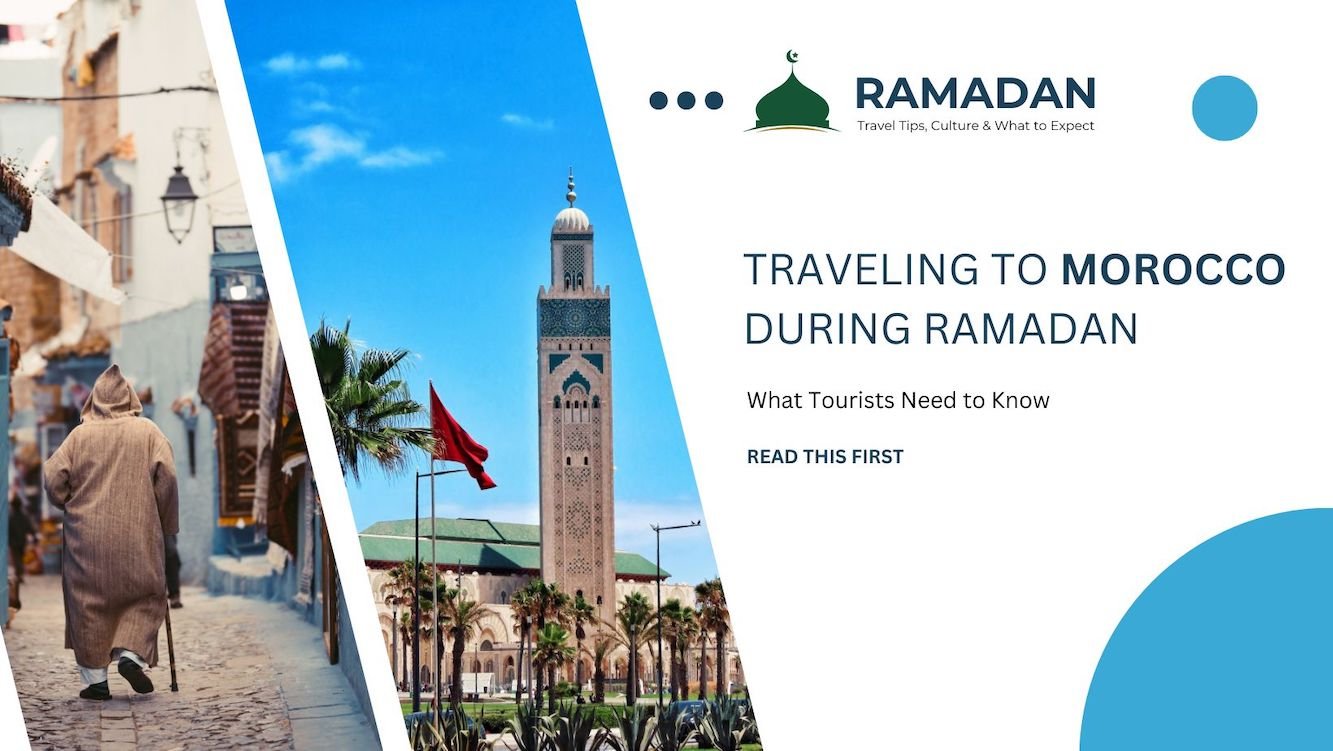
Traveling to Morocco during Ramadan offers a unique opportunity to witness one of the most spiritually significant periods in the Islamic world. Throughout this sacred month, the rhythm of daily life shifts, cities transform after sunset, and the cultural atmosphere becomes deeply reflective yet wonderfully vibrant.
During Ramadan, Muslims fast from dawn until sunset, abstaining from food, drink, and smoking during daylight hours. In Morocco, where Islam shapes much of the country’s identity, this observance profoundly influences daily routines, business hours, and social gatherings. However, rather than limiting travel, Ramadan often enhances the journey, allowing visitors to experience traditions, cuisine, and hospitality in their most authentic form.
For travelers seeking cultural immersion, spiritual atmosphere, and unforgettable evenings, Ramadan reveals Morocco at its most meaningful and welcoming.
Ramadan is the ninth month of the Islamic lunar calendar, commemorating the moment when the first verses of the Quran were revealed to the Prophet Muhammad. In Morocco, Ramadan is not simply a religious observance—it is also a time of family unity, generosity, reflection, and community celebration.
During the month:
Travelers who visit Morocco during this period witness a deeply spiritual atmosphere combined with warm Moroccan hospitality.
Understanding this rhythm allows travelers to align their schedules and enjoy the cultural experience fully.
During Ramadan, some shops, banks, and government offices operate on modified schedules. Businesses may:
However, most tourist attractions remain open, particularly in cities such as Marrakech, Fes, Rabat, and Casablanca.
Hotels, riads, and organized tours continue to operate normally.
During daylight hours:
After sunset, the atmosphere completely changes. Restaurants become lively and many offer special Ramadan menus featuring traditional dishes prepared especially for iftar.
Dining during Ramadan evenings is one of the most memorable culinary experiences in Morocco.
Transportation services continue to operate throughout Ramadan:
However, travelers should expect slightly slower service during late afternoons, when locals prepare to break their fast.
One of the most unforgettable experiences when traveling to Morocco during Ramadan is participating in iftar, the evening meal that breaks the fast.
The moment the sunset call to prayer is heard, families gather around tables filled with delicious traditional foods.
Typical iftar dishes include:
Many riads and local families invite guests to share this meal, creating a warm and unforgettable cultural moment.
The streets fill with energy as locals gather to socialize, shop, and enjoy the evening breeze.
In cities like Marrakech, the famous Jemaa el-Fna square becomes even more lively during Ramadan nights.
For travelers, this atmosphere offers a completely different and fascinating way to explore Morocco.
Travelers are not required to fast, but respecting local traditions helps create positive interactions with locals.
These simple gestures are appreciated and often lead to genuine Moroccan hospitality.
Marrakech remains vibrant during Ramadan. After sunset, Jemaa el-Fna becomes a lively stage filled with:
Fes offers one of the most authentic Ramadan atmospheres in Morocco. The ancient Medina becomes magical at night as families gather for prayer and celebrations.
During Ramadan afternoons, the blue city becomes peaceful and serene—perfect for photography and relaxed exploration.
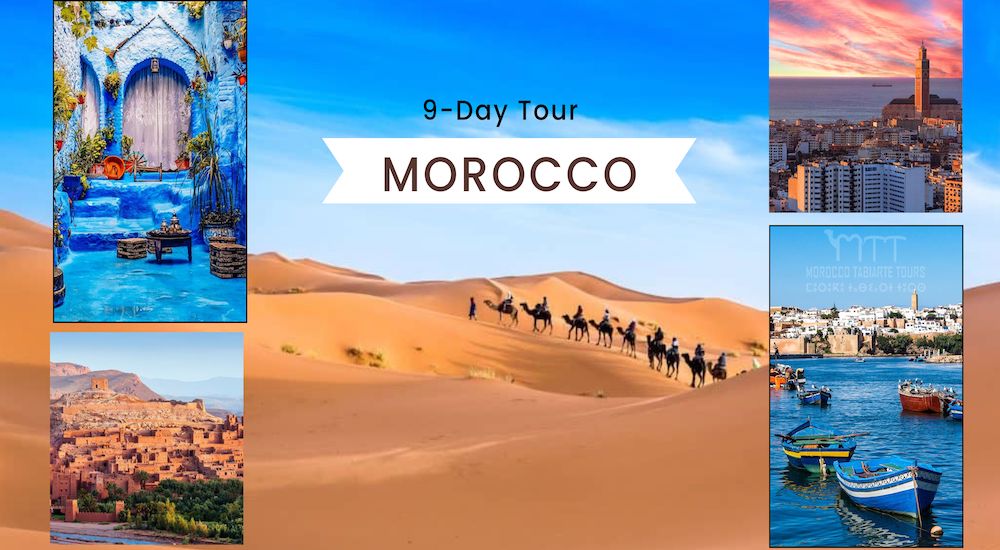
A Sahara desert tour during Ramadan creates a deeply memorable experience. Watching the sunset over the dunes and sharing iftar beneath a sky full of stars feels almost spiritual.
Major attractions are often less crowded, creating a more relaxed travel experience.
Visitors witness real Moroccan traditions rarely seen during peak tourist seasons.
Many dishes served during Ramadan are seasonal specialties that are unavailable at other times of the year.
Ramadan emphasizes generosity and kindness, making visitors feel especially welcomed.
These adjustments allow visitors to embrace the rhythm of Ramadan rather than resist it.
Absolutely. Traveling to Morocco during Ramadan offers a deeper cultural experience than any other time of the year.
While daily schedules shift slightly, the rewards are immense:
Visitors who embrace the spirit of Ramadan often discover a richer, more personal side of Morocco.
Exploring Morocco during Ramadan transforms an ordinary trip into a powerful cultural journey. The peaceful afternoons, festive evenings, and generous hospitality create a travel experience unlike any other.
For those seeking authenticity, tradition, and unforgettable memories, Ramadan is truly one of the most extraordinary times to visit Morocco.
Yes, tourists can absolutely visit Morocco during Ramadan. Hotels, riads, and tourist services remain open, and many restaurants in major tourist cities continue serving visitors during the day. Evenings become especially lively with iftar meals, night markets, and cultural gatherings.
Some restaurants close during daytime hours, particularly in smaller towns. However, many restaurants in tourist areas and hotels remain open. After sunset, restaurants become busy and offer special Ramadan iftar menus featuring traditional Moroccan dishes.
Tourists are not required to fast. However, it is respectful to avoid eating, drinking, or smoking in public spaces during daylight hours. Restaurants and hotels provide private dining areas for visitors.
The best time to explore cities is early morning or evening after sunset. During the afternoon many locals rest before breaking the fast, while evenings become vibrant with markets, cafés, and social gatherings.
During daytime hours, Moroccan cities may feel calmer. However, after sunset, cities become extremely lively with street food stalls, music, shopping, and families enjoying the evening.
Iftar is the meal that breaks the daily fast at sunset. In Morocco it typically includes harira soup, dates, chebakia pastries, Moroccan pancakes, eggs, and fresh juices. Many hotels and riads offer traditional iftar dinners for guests.
Yes, most tourist attractions, museums, and historical sites remain open. However, some may operate on shorter hours, so visiting earlier in the day is recommended.
In many cases, yes. Because fewer international tourists visit during Ramadan, travelers may find better hotel availability and competitive tour prices.
Visitors should dress modestly out of respect for local culture. Lightweight clothing that covers shoulders and knees is recommended, particularly in traditional areas and religious sites.
Yes, Sahara desert tours operate normally during Ramadan. In fact, many travelers enjoy the peaceful atmosphere of the desert during this time, especially when sharing iftar meals under the stars.
Some shops close temporarily before sunset as families prepare for iftar. Many reopen afterward and remain open until late at night.
Alcohol is still available in many hotels, international restaurants, and licensed bars, although some establishments may limit service during the holy month.
Yes. Many riads, restaurants, and Moroccan families welcome visitors to join iftar celebrations, offering an authentic cultural experience.
Yes. In fact, night markets become busier than usual during Ramadan, offering traditional foods, sweets, clothing, and souvenirs.
For travelers interested in culture, traditions, and authentic local life, Ramadan can be one of the most rewarding times to visit Morocco.
Secure your place now to guarantee availability on your dream tour.
“The best trip I’ve ever taken! Friendly guides, amazing sights, and memories to last a lifetime.”
— Jessica M.
“A perfect way to explore and connect with the culture.”
— Sophia K.